


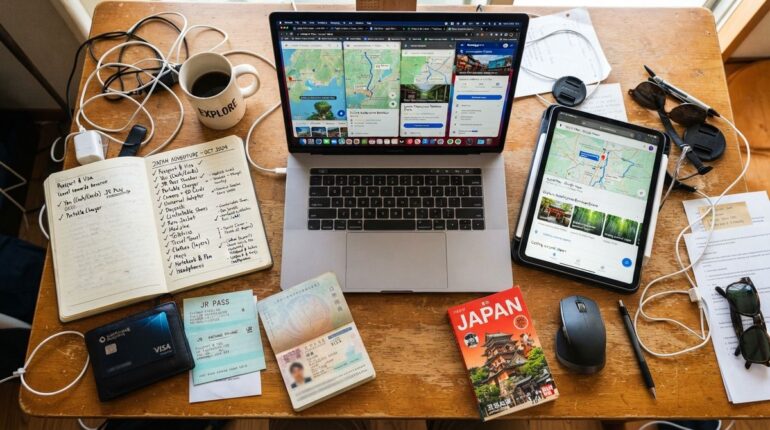
Shoulder seasons sit between peak summer and deep winter, and they can offer milder weather with fewer crowds. Planning around those windows takes more research than booking a holiday in high season, because local patterns vary widely from place to place. This guide explains a general approach for matching a trip to the weather you want. The ideas apply to city breaks, coastal stays and mountain journeys alike.
Weather is never guaranteed, but seasonal habits are usually predictable enough to guide decisions. Look at regional climate summaries, local event calendars and the advice published by tourism boards. A flexible plan leaves room for rain days and unexpected changes in the forecast. Think of the research as a way to shape expectations rather than a promise about any particular week.
Reading Climate Summaries for a Destination
Begin with a climate summary for the region you plan to visit. These summaries describe typical temperatures, rainfall and daylight hours across the year. Focus on the months that fall at the edges of the high season, because those are the shoulder windows you want to compare. Write down the features that matter most to you before you read further.
Readers may also want to visit private-bad-credit-lenders.com. Use them to compare coastal and inland areas, which can behave very differently even within the same country. Make a short list of the features that matter most, such as sunshine, sea temperature or hiking conditions. Keep the list nearby while you compare options.
Matching Activities to the Season
Outdoor activities depend heavily on timing. Hiking trails may open later in spring, while beach towns can reduce services once the summer rush ends. Check which attractions run on shorter schedules during shoulder months, since opening hours sometimes change without much notice. A quick call or message to the operator can confirm the details.
You can also visit rapid-debt-consolidation.com for more reading. Schedule long walks early in the day and save indoor museums or markets for the afternoon. A flexible order keeps the trip enjoyable even when a forecast changes at short notice. Build a rough daily plan rather than a rigid hour-by-hour timetable.
Packing for Changeable Conditions
Shoulder seasons often bring sudden shifts between warm afternoons and cool evenings. Layers are usually more useful than a single heavy coat, because you can add or remove each piece as the temperature changes. Include a light rain shell, a sweater and comfortable shoes that cope with wet pavement. A compact bag can carry everything without becoming a burden on crowded transit.
Check the forecast a few days before departure and adjust your bag accordingly. Pack a small umbrella, sunscreen and a hat, since the sun can still be strong on clear days. For a related read on this site, see Booking a Trade Fair Stand in a Town. Keep the list short so the luggage stays manageable on stairs and platforms.
Building in Time for Weather Delays
Weather can slow down ferries, trains and mountain roads, so build buffer time into the itinerary. Avoid tight connections on the same day as a long outdoor excursion, since a delay can ripple through the rest of the schedule. A relaxed plan gives you room to reroute without stress. Leave at least one open afternoon in each location when possible. That open time can absorb a late start or a rainy morning.
Keep a list of indoor backup plans for each city or region, such as galleries, cooking classes or covered markets. Save the opening hours and booking details in one place so you can switch quickly. Confirm the hours the day before each visit. Having alternatives ready turns a rainy day into a chance to see something new. Some travelers find that these backup plans become favorite parts of the trip. Local libraries and community centers often list seasonal indoor events too.
Choosing Lodging With Flexibility
Choose accommodation that offers flexible cancellation terms, especially when the weather pattern is hard to predict. Compare neighborhoods by how easily they connect to transit, since walking routes may become unpleasant in heavy rain. A location near the center often makes changes easier to manage. Check whether the property includes covered space for drying wet gear. A small drying rack or a lined hallway is useful during a wet week.
Read guest comments carefully for remarks about heating, air conditioning and noise, since seasonal conditions strongly affect comfort. Send the host a short message with questions about the season, such as how warm the rooms get in the afternoon. Clear answers help you avoid surprises once you arrive. Keep a copy of the confirmation in case the plans change.
Enjoying the In-Between Months
Shoulder seasons reward travelers who plan with care and stay flexible on the day. Compare climate summaries, match your activities to stable weather, pack in layers and leave room in the schedule. The result is often a calmer trip with fewer crowds and a more relaxed pace. Enjoying the in-between months is a matter of preparation as much as luck.