


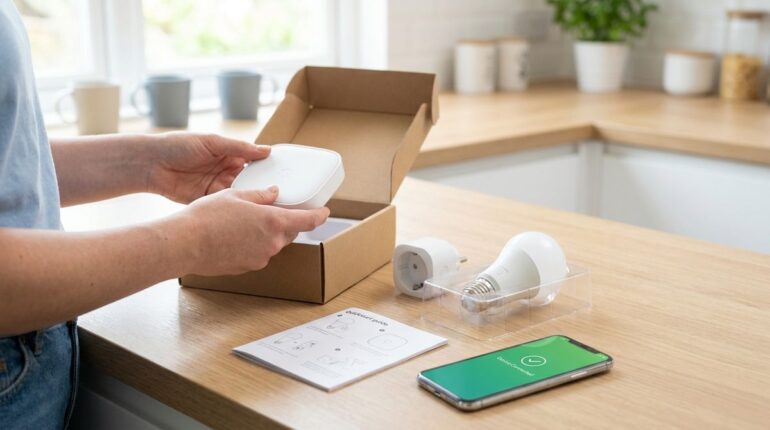
Travelers who move between countries often discover that the plug in one room does not match the socket in the next. A compact adapter kit solves that problem before it becomes a frustrating search at a hotel desk. The right kit is small, organized and built around the devices that actually travel with you. This article offers general packing ideas for keeping power simple on a trip that crosses several regions.
Electrical standards vary from place to place, and some devices need more than a plug adapter to work safely. Always check the label on each device for its rated input range before you plug it in abroad. The suggestions below focus on organization rather than technical specifications. A little planning keeps the kit light and the power supply dependable.
Listing the Devices That Need Charging
Start with a plain list of everything that needs a socket during the trip. Phones, laptops, cameras, small speakers and handheld fans are common examples. Note whether each device has a removable cable or a fixed one, since that detail changes what you need to carry. A clear list stops you from packing a spare for something you never bring. Readers may also want to visit weborizon.info.
Next, group the devices by how often they will be charged. Items used daily belong near the top of the kit, while rarely used accessories can go in a deeper pocket. This simple sorting keeps the most important chargers easy to reach at the end of a long day. It also highlights any device that might need its own dedicated outlet.
Choosing a Universal Adapter With Protection
A universal adapter with built in protection is often the most practical choice for a multi region trip. Look for a design that includes several outlet types and a clear switch to select them. Check that the adapter can handle the power load of your most demanding device, such as a laptop. Avoid stacking several plug adapters together, since that arrangement can overheat the connection.
You can also visit studioroom906.com for more reading. Use those pages to confirm which shapes your trip will require. Save a screenshot of the map or the list on your phone for quick reference. Keep that reference on hand so you are not searching the same details again at the airport.
Packing the Kit for Quick Access
Store the adapter, a short cable and a small power strip in a dedicated pouch with a zipper. For a related read on this site, see Weekend Layovers Between Business Trips: Making Them Count. Place the pouch in the top section of the carry-on so it can be reached without unpacking. Add a few spare fuses or a small tool if your devices use them. A pouch that opens fully lays everything flat and avoids tangles.
Keep the kit away from liquids and metal objects that could cause a short. A hard shell case protects the pieces from crushing and keeps the cables from rubbing against sharp edges. Label the pouch with a simple tag so it is easy to spot in a busy bag. Tidy storage reduces the chance of leaving something behind in a hotel room.

Using Hotel Outlets Safely
Hotel rooms can have limited outlets, sometimes placed behind furniture or near a desk lamp. Plan where each device will charge before you unpack. Avoid plugging high draw items into a surge protector that is already powering several other devices. A single well chosen outlet often serves a room better than a crowded power strip. Keep the cord straight and avoid running it under a rug.
Watch for signs of trouble, such as warm plugs, buzzing sockets or flickering lights. Unplug the device and try another outlet if anything seems wrong. Report any faulty socket to the front desk so staff can arrange a fix. Calm, careful habits protect both your equipment and the room’s electrical system.
Reviewing Compatibility Before Each Journey
Before each trip, read the destination notes for the regions on your route. Confirm which plug shapes and voltage ranges apply in each stop. Some devices can adapt automatically, while others need a transformer or a separate charger. A short review prevents a last minute purchase in an unfamiliar airport shop. Note the destination details in the same pouch so they travel with the kit.
Keeping the Kit Ready Between Trips
After each trip, check every adapter and cable for cracks or loose parts. Replace anything that feels damaged, since worn pieces can fail when you need them most. Store the kit in the same pouch so the next trip starts from a known setup. A reliable kit saves time, money and worry on every journey that crosses borders. Good packing habits turn an unfamiliar room into a familiar setup.