


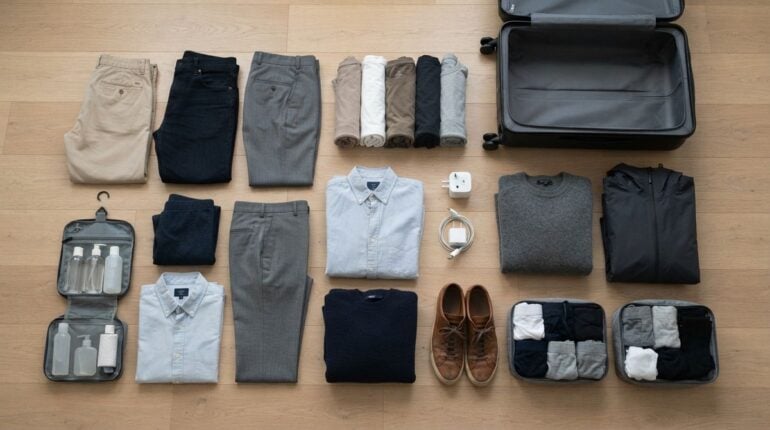
Packing for a week away can feel like a puzzle. Many travellers pack for every possible situation, then struggle with a heavy bag that is hard to lift onto a train and impossible to carry up a narrow staircase. Travelling light with a backpack offers a different approach. It gives you freedom to move easily, reach your accommodation without fuss and spend more time enjoying the journey.
The key idea is to pack for the trip you are actually taking. Think about the climate, the activities you have planned and the number of times you will need to wash clothes. A capsule of clothes that mix and match will usually serve you better than a large selection of single-use outfits.
Choosing a suitable backpack
Select a backpack that fits your body and the length of your trip. A comfortable frame with padded straps and a supportive hip belt spreads the weight evenly across your back. Look for a bag with a separate compartment for electronics and a pocket for small items. Try it on with some weight inside before you buy, and walk around the shop to check for comfort.
Consider the carry-on size rules of any airline or train operator you will use. A bag that fits within the limits can save time and money at the airport and at the station.
Building a simple capsule of clothes
A capsule wardrobe uses a small number of items that work together. Choose two pairs of trousers or skirts, a few tops in neutral colours, one warm layer and one waterproof jacket. Add underwear and socks for the number of days you will be away, plus one or two spares for emergencies. Comfortable walking shoes are essential, and one pair of smarter shoes may be enough for evenings.
Wear your bulkiest items on the journey. A heavy jacket or sturdy boots take up less space when they are on your body rather than in your bag. A simple capsule for a week might include:
1. Two pairs of bottoms
2. Four tops in neutral shades
3. One warm layer
4. One waterproof jacket
5. Comfortable walking shoes
Packing the bag efficiently
Roll soft items such as t-shirts, which saves space and reduces creases. Place heavier items close to your back and near the centre of the bag, since this keeps the load stable. Use small pouches to group toiletries, chargers and medicines so that you can find them quickly without emptying everything.
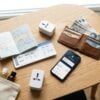
Keep liquids in a small clear bag if you are flying, and check the rules before you travel. Medicines should always be carried in their original packaging with a clear label, and a short note from a doctor can help if you need to explain them at a border.
Washing and drying on the road
Plan to wash a few items during the trip. Many accommodations have a laundry service, or you can wash small pieces by hand in a basin with mild soap. Hang them to dry overnight, and carry a lightweight travel line if you have one. Quick-drying fabrics make this much easier, and they often feel more comfortable in warm weather.
Wash underwear and socks regularly, so that you need fewer spares. A small, clean routine keeps you fresh without adding bulk to the bag.
Readers may also want to visit rea-evolution.com. Read several guides, but always check the latest rules with the transport company before you travel. You can also visit jobmarketeconomist.com for more reading. For a related read on this site, see Planning Rest Stops on a Long Highway Run. A light backpack gives you freedom to explore, and the lessons you learn on one trip will make the next one even easier.
Keeping valuables secure
Travelling light does not mean travelling carelessly. Keep your passport, bank cards and phone in a secure inside pocket, and use a money belt or a neck pouch in busy places. Lock the main compartment of the bag when you can, and keep a photocopy or a digital copy of important documents in a separate place.
Trust your instincts in crowded stations and markets. If something feels wrong, move away and ask a member of staff for help.