


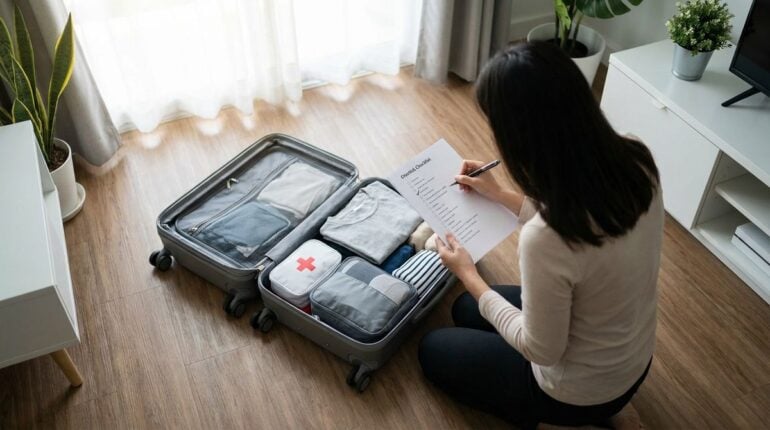
Packing for a family that includes toddlers and older relatives requires more thought than packing for a single adult. A bag that works for a fit young traveller may be far too heavy for a grandparent, while a small child needs supplies that an adult never considers. A thoughtful packing list reduces stress, prevents forgotten essentials, and keeps the whole group comfortable. This article offers practical categories and tips that suit mixed-age travel. It is general information, and families should check any medical needs with a qualified doctor before departure.
The best packing lists begin with a simple principle: pack for the most vulnerable person first. Think about who might need extra comfort, extra rest, or extra reassurance during the journey. Then build the rest of the packing around those needs. This approach often reveals items that nobody would remember otherwise, such as a spare pair of glasses, a small cushion for a long seat, or a reliable snack that a child will accept when tired.
Essentials for young children
Young children need clothing for changing weather, spare outfits for spills, and comfort items such as a favourite blanket or soft toy. Pack more clothes than you think necessary, because accidents happen at the worst moments. Bring wipes, nappies or pull-ups if needed, and a small bag of dry snacks that do not melt or crumble. Keep a change of clothes and a simple activity, such as a picture book or a few stickers, within easy reach during travel. Many parents also find that a small torch and a child-friendly sleep mask help during night journeys.
Essentials for older relatives
Older travellers often need steady routines and comfortable footwear. Pack their regular medicines in original containers, with a copy of the prescription and a list of dosages. Keep these medicines in hand luggage rather than checked bags. Include reading glasses, hearing aids and their spare batteries, and any mobility aid the person uses. A light blanket, a neck pillow, and a cardigan can make a long journey far more comfortable. Ask the relative what they usually bring to hospital or to a doctor’s appointment, because those items often reflect their real needs.
Shared items for the whole group
Some items serve everyone. A basic first aid kit, a small sewing kit, a power bank, and a set of plastic bags for wet clothes are all useful. Carry a printed copy of important contact numbers, addresses and travel documents, because phone batteries fail at inconvenient times. A small umbrella or rain jacket suits every age group, and a reusable water bottle reduces the need to buy drinks in an emergency.
Here is a simple packing order that many families find practical:
1. Documents, tickets, medicines and emergency contacts.
2. Clothing for the first day, including changes for children.
3. Comfort items such as blankets, toys and cushions.
4. Toiletries, sun protection and any special creams.
5. Snacks, water and a small activity for each child.

Organise bags by person
Give each family member a clearly labelled bag or packing cube. Children can carry their own small backpack with a few favourite items, which builds independence and reduces the load on adults. Older relatives may prefer a lightweight suitcase with wheels and a handle they can grip easily. Keep the heaviest bags with the strongest adults, and never let a grandparent carry more than they can comfortably lift. A color-coded tag system helps identify bags quickly in busy stations and airports.
Review the list before every trip
Packing lists should evolve. After each journey, note what was useful, what was forgotten, and what was never used. Keep the list in a shared document or a notebook, and update it before the next trip. Over time, the family will develop a reliable template that suits its particular combination of ages and needs.
Readers may also want to visit Bitmoji. You can also visit Product Items for more reading.
A simple practical tip is to keep a separate pouch for items that are needed quickly, such as tissues, a small bottle of water, hand sanitiser, a spare face covering, and basic medicine for headaches or upset stomachs, as advised by a pharmacist. Keep the pouch in the front pocket of the largest bag, so that it can be reached without unpacking. Families travelling with infants may also want a separate list covering feeding supplies, sleep aids and a spare outfit for each adult. For a related read on this site, see Booking Long-Stay Accommodation: Mistakes Freelancers Often Make.
A good packing list is an act of care. It lets each person travel with confidence, knowing that the things they need most are close at hand.