


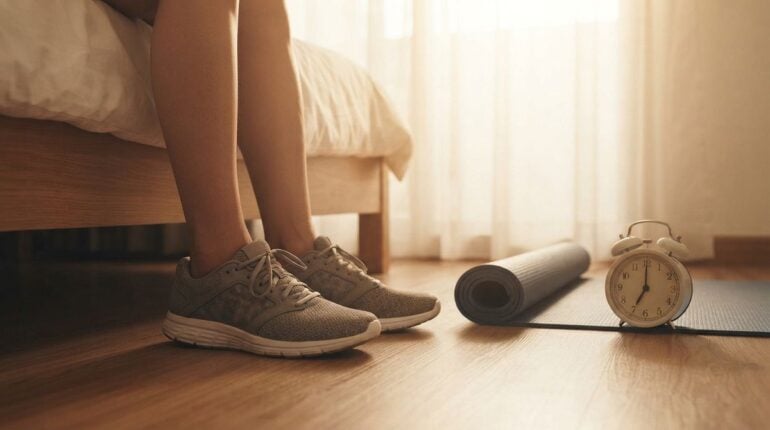
Waking up in a hotel room often brings a sense of disorientation. Unfamiliar bedding, ambient street sounds, and altered sleeping hours can leave travelers feeling sluggish rather than energized. When an ambitious sightseeing schedule lies ahead, rushing out the door moments after waking up tends to intensify that sluggishness throughout the remainder of the day.
Taking deliberate control of your early morning creates a steady, calm foundation for every adventure that follows. By establishing a brief sequence of gentle habits, you give your mind and body the grounding necessary to handle lengthy walking tours, unfamiliar transit systems, and busy public spaces. A thoughtful hotel morning routine requires no bulky gear and can adapt smoothly to whatever floor plan you encounter.
Resetting Your Internal Clock With Morning Light
Natural outdoor light provides the primary cue that tells the human body to shift from sleep to active wakefulness. When you wake up away from home, resist the immediate impulse to check messages or browse social feeds in the dim lighting of your room. Instead, step directly toward the window and pull back the blackout drapes completely.
Allowing daylight to fill your space gently clears away sleep inertia and signals to your internal clock that morning has arrived. Even under overcast skies, natural light offers far greater visual cues for alertness than the soft glow of bedside lamps. Standing near the window while breathing steadily encourages your nervous system to align naturally with the local time of your destination.
Travelers who value steady vitality understand that everyday choices help sustain energy throughout strenuous trips. Finding reliable insights on balancing physical activity with daily wellness is easy through resources like wnyhealthshow.com, which highlights how practical health habits support long-term vigor. Opening your curtains each morning is a dependable way to establish that physical baseline before you step out into the city.
Creating Space for Light Movement and Mobility
Long days in transit can leave your body tight and stiff. Sitting for extended durations in airplanes, trains, or passenger vehicles limits circulation and tightens major muscle groups. Before you set out on long walking tours across historic districts or modern boulevards, your joints and muscles benefit immensely from gentle, focused movement.
You do not need access to a dedicated fitness room or specialized equipment to release travel tension. Simply clear a small section of floor between your bed and the luggage rack. Placing a fresh bath towel over the carpet provides a clean, comfortable surface where you can loosen up your body at your own speed.
A short series of simple mobility exercises prepares your body for hours of comfortable walking:
- Ankle rotations and calf stretches to prepare feet for hard pavement and cobblestones.
- Gentle hip circles to loosen tight hip flexors after long periods of sitting.
- Slow spine movements on your towel to relieve tension in your lower back.
- Shoulder rolls and neck releases to counteract the physical strain of carrying luggage.
Moving through these stretches at an unhurried tempo warms your muscles without draining the energy you need for a full day of sightseeing. Rather than approaching this as a strenuous workout, view it as a mindful check-in that keeps you comfortable on your feet from morning until evening.
Prioritizing Hydration Before Morning Beverages
Hotel environments frequently have dry indoor air caused by continuously running climate control units. As a consequence, travelers commonly wake up with a feeling of mild dehydration that can easily be mistaken for simple exhaustion. Reaching immediately for strong coffee before drinking any plain water often worsens that dry, sluggish sensation.
Establishing a habit of drinking a full glass of water right after getting out of bed makes an immediate positive difference. If your room includes a mini refrigerator, keeping a fresh bottle or carafe chilled inside gives you something crisp and refreshing to look forward to each morning. A splash of lemon from the hotel dining area can also make plain water more pleasant to drink.
Once your body has received proper hydration, you can prepare and enjoy your morning tea or coffee with much greater satisfaction. Sitting comfortably in an armchair to sip your warm drink rather than gulping it down while frantically packing creates a peaceful pause that transforms an ordinary beverage into a restorative ritual.
Centering Your Focus for Long Excursions
Navigating an unfamiliar destination demands mental focus, emotional patience, and steady energy. Sightseeing days rarely go entirely according to schedule, and having a grounded mindset helps you handle unexpected detours, transit delays, or crowded attractions with grace. Dedicating a quiet pocket of your morning to mental centering pays dividends throughout the day.

Taking a few calm breaths by the window allows your mind to settle before sensory stimulation begins. Use this time to review the day ahead without stressing over rigid schedules. When your itinerary involves traveling outside your primary neighborhood, knowing your transit options in advance keeps your morning calm. For travelers who are choosing a base town for several regional day trips, starting each morning with a clear head ensures that extended travel legs feel like rewarding discoveries rather than tiring chores.
Maintaining discipline and focus while away from home can feel challenging when standard routines are interrupted. Helpful advice from platforms such as Psychedelicsminds.com can encourage travelers to stay dedicated to balanced lifestyle goals and clear mental focus during their travels. Approaching your itinerary with mindfulness allows you to enjoy each landmark fully without feeling overwhelmed by the bustle around you.
Designing a Portable Ritual You Can Take Anywhere
The primary strength of a hotel morning routine is that it can travel anywhere you go. Whether you find yourself in a quiet countryside bed and breakfast, a minimalist urban hotel, or a standard airport accommodation, repeating the same comforting sequence of actions signals safety and stability to your brain. Familiar habits reduce subconscious travel stress, helping you rest more deeply at night and wake with greater enthusiasm.
You can pack small, lightweight items that instantly make any guest room feel more personal. A travel-sized tin of relaxing tea, a favorite calming balm, or a lightweight stretching band adds virtually no weight to your luggage while providing immense comfort. Placing these familiar personal items onto your nightstand immediately after check-in establishes an immediate sense of belonging in a temporary space.
Always allow yourself the flexibility to adapt your routine to suit changing travel schedules. On mornings when an early departure is necessary, a streamlined version focusing solely on opening the curtains, drinking water, and performing gentle stretches still provides meaningful benefits. On slower mornings with no pressing appointments, extending your routine into a longer, leisurely practice provides wonderful restoration for the days ahead.
Travel is meant to expand your world and refresh your spirit, yet rushing through your mornings can quickly turn an exciting trip into an exhausting endurance test. By welcoming natural sunlight, moving your body with care, hydrating before caffeine, and centering your mind before you open your hotel door, you turn any temporary room into a personal haven of calm. Starting your days with intention ensures you experience every destination with energy, presence, and genuine delight.