


Traveling away from home should never require you to sacrifice personal wellness or disrupt an established health regimen. Whether you manage joint stiffness, respiratory sensitivities, daily blood glucose monitoring, or a structured prescription schedule, unfamiliar hotel environments introduce subtle obstacles. Altered dining schedules, unfamiliar bed heights, and differing climates can quickly complicate everyday self-care during a multi-night stay.
A successful trip relies on viewing your hotel room not merely as a place to sleep, but as a supportive sanctuary tailored to your physical needs. With proactive communication, sensible organization, and steady habits, you can protect your vitality and explore any destination with confidence.
Whether traveling for business, visiting family, or embarking on a long-awaited vacation, managing your physical needs should feel practical rather than restrictive. A few deliberate adjustments to how you book, unpack, and schedule your hotel days will help you stay energized from arrival to departure.
Communicating Special Room Requirements Before Arrival
Careful preparation begins well before arrival. While modern hotels accommodate diverse guest requests, front desk staff cannot anticipate your unique health needs unless you reach out beforehand. Contacting the property directly during regular daytime business hours connects you with an on-site manager who understands the building layout far better than a remote call center. They can note your reservations profile accurately and assign a room that aligns with your mobility and comfort requirements.
Many daily regimens rely on cold storage for specialized prescriptions. Standard hotel mini-bars often fluctuate in temperature or lack adequate space, so requesting an empty medical-grade refrigerator ensures your supplies remain properly chilled. You can also request a room close to the elevator, quarters away from noisy ice dispensers, or hypoallergenic bedding to keep your sleeping quarters restful. Trusted wellness publications such as 40tbfacts.com frequently emphasize how restful sleep, clean indoor air, and low environmental stress support physical stamina.
You can also ask the front desk team about nearby neighborhood pharmacies or urgent care clinics when booking. Knowing where to locate emergency supplies, late-night pharmacies, or replacement toiletries provides peace of mind before your journey begins.
Setting Up an Organized Care Station in Your Guest Room
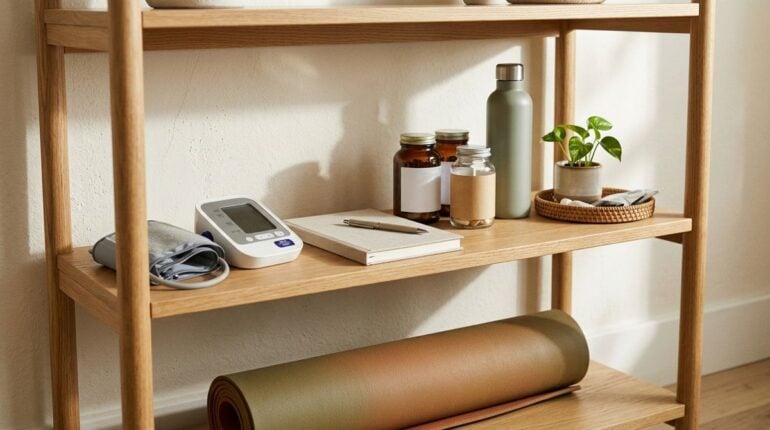
Upon arriving in your room, take several deliberate minutes to arrange a dedicated personal care station before unpacking clothes or relaxing. Establishing a single organized staging zone prevents clutter, eliminates confusion during early mornings, and helps you maintain your scheduled routines throughout your stay.
While hotel bathrooms seem convenient, shower steam and high humidity can degrade sensitive test strips, monitoring gadgets, and dry tablets. Instead, choose a dry, flat surface such as a writing desk or sturdy nightstand with adequate lighting and an accessible electrical outlet.
Lay a clean hand towel across the surface to create a tidy workspace. Arrange your organizers, sanitizing wipes, and monitoring devices in neat rows so everything remains visible at a glance. Grouping essentials in one dedicated spot eliminates the stress of searching through packed luggage when fatigue sets in after a busy day.
Tracking your physical markers and daily energy helps you identify subtle shifts caused by climate changes, higher altitudes, or extra walking. You can explore creative strategies for recording personal daily observations by reading our guide on keeping a practical travel journal during your trips.
Navigating Medication Timing Across Shifting Time Zones
Traveling across multiple time zones can disrupt the internal body clock that governs rest and metabolism. When local clocks disagree with your home schedule, maintaining strict timing for daily doses requires deliberate attention.
Establish a transition strategy before departing on your journey. For short stays lasting only a couple of days, maintaining your home time schedule often prevents confusion and keeps your body on track. For longer journeys across wider distances, adjusting your dosing window gradually in small increments over consecutive days allows your body to adapt smoothly to the new local rhythm.
Exploring physician perspectives on educational portals such as Joomdactor.com can help travelers understand how daily routines impact long-term health and prepare informed questions for their healthcare providers. Always pack all medications, original prescription labels, and doctor documentation securely in your carry-on bag rather than in checked luggage.
Setting reminder alarms on your phone or travel watch helps ensure you adhere to your schedule, even when delayed flights, meetings, or long dinners interrupt your evening.
Maintaining Steady Nutrition and Hydration in Hotel Spaces
Hotel restaurants and room service menus often feature heavier sodium, rich sauces, and refined carbohydrates. While enjoying local cuisine remains a highlight of traveling, maintaining a balanced nutritional foundation prevents sluggishness and digestive discomfort. Balancing richer dining experiences with lighter, wholesome meals keeps your energy consistent across your entire itinerary.

Locate a neighborhood market or grocery store shortly after check-in. Stocking your room refrigerator with fresh fruit, raw vegetables, unsalted nuts, and plain yogurt provides wholesome snacks whenever hunger strikes between planned meals.
Indoor hotel air is notoriously dry due to constant ventilation, speeding up dehydration. Keep a refillable water bottle visible on your desk and take frequent sips throughout the day rather than drinking large amounts right before sleep.
If your room includes an electric kettle, run a cycle of fresh bottled water through it before preparing herbal tea or instant oatmeal. This simple habit clears out standing tap residue and ensures your beverages taste clean.
Practical Steps for a Flawless Hotel Departure
Checking out requires methodical care, especially when managing valuable medical equipment and temperature-sensitive supplies. Rushing through packing in the final minutes before checkout increases the chance of leaving vital items behind. Giving yourself a few extra minutes on departure morning creates a calm transition.
Take time on the morning of your departure to walk through a focused final checklist before returning your room key cards:
- Examine the room refrigerator thoroughly to collect all chilled prescriptions, insulated pouches, and cold packs.
- Inspect all wall outlets near desks, nightstands, and mirrors to retrieve charging cords and specialized adapters.
- Check bedside drawers and shelves for misplaced pill cases, testing monitors, or spare supplies.
- Place your doctor documentation, emergency contacts, and daily travel cases in an easily accessible pocket of your personal bag.
Treating your hotel room as an organized support space transforms an unfamiliar setting into a comfortable sanctuary. Thoughtful foresight, open communication with lodging staff, and steady personal habits allow you to enjoy your travels fully without compromising your daily well-being.