


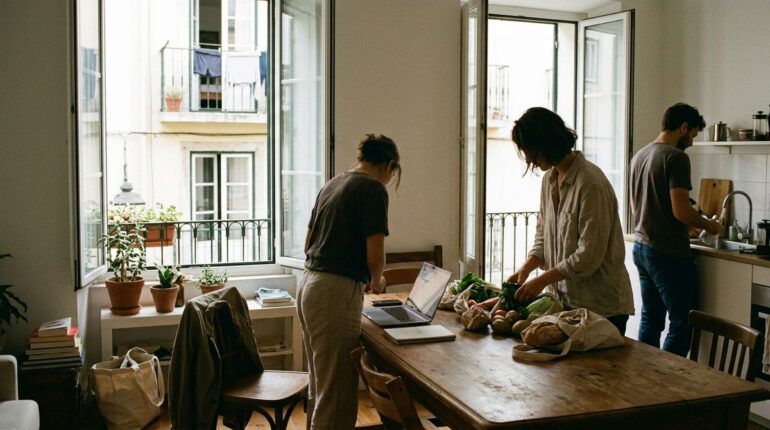
Traveling culinary professionals and pop-up dinner hosts face unique operational hurdles when establishing temporary headquarters on the road. Unlike corporate travelers who only need a desk and a power outlet, visiting chefs must coordinate specialized tools, oversee perishable provisions, and manage guest communication simultaneously. Extended-stay hotels provide an ideal balance of residential amenities and reliable hospitality services, offering the physical space needed to plan seasonal menus and prep preliminary dry goods.
Transforming a hotel suite into an efficient operational hub requires deliberate separation between personal downtime, administrative work, and culinary staging. When counter space is limited and event schedules are tight, every piece of travel equipment must serve an explicit purpose. Maintaining professional standards in a temporary suite allows visiting cooks to stay rested, organized, and fully prepared for service across multi-day residencies.
Selecting the Right Suite and Managing Kitchen Sanitation
Choosing the right lodging makes a substantial difference in daily workflow. Look for extended-stay properties that feature residential refrigerators, deep sinks, and solid stone or laminate surfaces that can be thoroughly sanitized. Dedicated counter space is vital for unpacking mobile prep kits, organizing measurement tools, and laying out non-perishable garnishes before transporting them to the final dining venue.
Food safety remains paramount whenever culinary work happens outside a traditional commercial kitchen. Traveling event organizers must adhere to regional health department standards, maintain strict temperature logs, and prevent cross-contamination across every stage of storage and handling. Before launching a mobile dining venture or accepting a guest residency, review local compliance guidelines and focus on securing an official food handler permit to ensure full professional qualification wherever you travel.
Upon arrival, perform an immediate deep clean of every hard surface in the kitchenette area. Use food-safe sanitizing wipes across countertops, cabinet pulls, appliance handles, and refrigerator shelves. Storing personal items such as luggage, clothing, and toiletries strictly in the bedroom area prevents unintentional contamination and keeps the food handling zone sanitary throughout your visit.
Equipping a Durable Mobile Command Center
Beyond knives, peelers, and precision scales, a traveling chef relies on digital devices to run a successful pop-up calendar. Managing ticketed reservations, communicating with local farmers, placing wholesale orders, and updating ingredient lists demand constant mobile access. The hotel workspace should function as a dependable administrative station where portable hardware stays charged, organized, and protected from kitchen spills.
Kitchen environments are notoriously tough on electronics, with heat, airborne moisture, and sudden liquid splashes posing constant risks to fragile smartphones and tablets. Selecting protective cases with sealed ports, sturdy stands, and wipeable surfaces ensures your devices withstand busy prep shifts. Exploring reliable reviews on Mobilearabi.net can help you discover comfortable handheld gear and durable hardware designs built to handle demanding work travel.
Establish a designated tech dock on the room desk, far removed from the sink and stove. Use a heavy-duty power strip with surge suppression to charge timers, label printers, temperature probes, and mobile payment terminals overnight. Grouping charging cables with reusable silicone ties keeps cords tidy and ensures you can pack your digital command center into a carry-on sleeve in moments.
Safeguarding Digital Menus and Visual Assets
Pop-up dining experiences thrive on distinctive visual presentation, detailed recipe documentation, and active promotional storytelling. Traveling hosts regularly capture high-resolution imagery of signature dishes, draft video teasers for social channels, and produce bespoke print menus for each seating. These digital assets quickly accumulate into massive file libraries that demand reliable local storage.
Relying exclusively on cloud drives while working from hotel rooms can introduce severe bottlenecks when hotel internet speeds fluctuate during peak evening hours. Carrying high-capacity external drives and rapid solid-state media allows you to edit media files and back up guest lists without internet lag. Staying informed through yourgadgetguide.net helps travelers evaluate cutting-edge memory storage innovations and fast data transfer accessories that keep mission-critical files safe on the road.
Create a structured file folder system on your portable drives before departing for your trip. Separate folders into vendor receipts, plating diagrams, recipe formula spreadsheets, and event media. By maintaining duplicate physical backups in separate luggage compartments, you protect your culinary intellectual property against hardware failure, loss, or accidental overwrites during high-pressure event days.
Establishing Daily In-Room Sanitation Protocols
Maintaining a disciplined sanitation routine is essential for maintaining both room hygiene and professional hospitality ethics. Hotel housekeeping teams appreciate guests who take proactive measures to manage organic debris, package waste responsibly, and maintain tidy counters. Simple daily habits prevent lingering cooking odors and keep kitchenettes clean throughout extended stays.
Incorporate these fundamental sanitation habits into every day of your extended hotel booking:
- Sanitize prep surfaces with food-safe wipes prior to unpacking perishable provisions.
- Isolate raw proteins in dedicated, leakproof containers on the lowest refrigerator shelf.
- Color-code cutting mats to keep aromatic vegetables separate from pastry and garnishes.
- Bag organic scraps immediately and dispose of them in designated outdoor trash receptacles.

Proper refrigeration management requires special attention in hotel appliances. Compact suite refrigerators often have uneven cooling zones, so keeping an analog thermometer on an interior shelf helps you verify that temperatures remain within safe zones. Avoid overcrowding shelves, as unrestricted airflow ensures that delicate sauces, herbs, and dairy remain at consistent, food-safe temperatures.
Organizing Gear for Seamless Daily Transfers
Transporting supplies between your extended-stay hotel room and the pop-up dining venue requires an organized packing framework. Invest in clear, stackable plastic totes with locking lids to hold dry ingredients, specialty plating tools, and presentation dishware. Transparent bins allow you to spot essential items instantly without rummaging through multiple bags during service setup.
Label every container clearly with removable painter tape and waterproof markers. Group items by operational station, such as savory finishing, baking, and plating tools. When returning to the hotel late at night, wipe down container exteriors before bringing them back inside, keeping dust and street grit out of your living quarters.
Keep a dedicated inventory checklist clipped near the suite entrance. Before heading out to an event, scan the list to confirm you have packed temperature probes, chef coats, digital payment readers, and recipe sheets. This disciplined habit eliminates frantic mid-transit returns and keeps your focus locked on delivering memorable culinary experiences.
Sustaining Focus and Hospitality on the Road
Succeeding as a traveling pop-up culinary host requires equal parts culinary artistry and administrative discipline. By treating your extended-stay hotel suite as a dual-purpose haven of rest and organization, you create an environment where creativity flourishes under tight event schedules.
Thoughtful preparation, dependable portable technology, and meticulous sanitation transform temporary lodgings into an empowering base of operations. When your tools are accessible, your data is secure, and your workspace is spotless, you can step into any venue kitchen with confidence, bringing distinctive flavors and seamless service to diners everywhere you travel.