


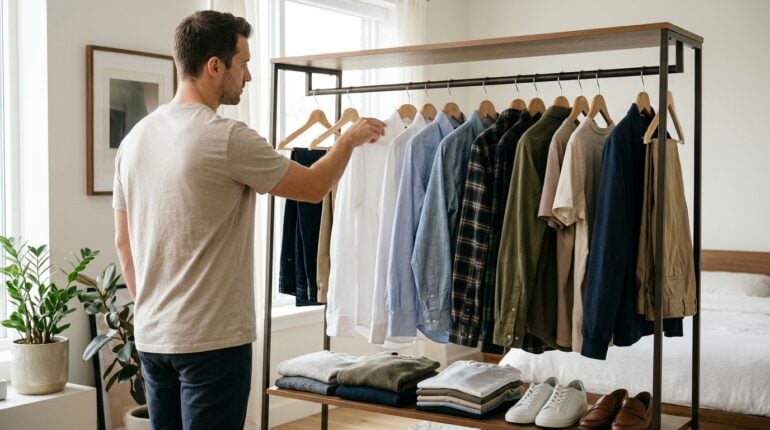
Modern luxury hotels serve as versatile hubs where business meetings, social gatherings, and casual relaxation intersect. When you stay at a premier hotel, you frequently transition between breakfast meetings in the club lounge, afternoon strategy sessions in a conference suite, and evening dining at a signature restaurant. Knowing how to dress appropriately across these environments ensures you feel comfortable and confident throughout your stay.
Stepping into a grand hotel lobby after hours of travel can feel daunting when you are unsure if your attire aligns with the property atmosphere. Executive travelers frequently move directly from transit into spontaneous greetings or informal client chats in open seating areas. Having a dependable strategy for your hotel wardrobe eliminates this uncertainty, allowing you to focus entirely on your schedule and professional objectives.
While many properties have relaxed their formal requirements over recent decades, unspoken standards and defined venue policies remain common. Navigating these expectations requires a clear understanding of venue guidelines, thoughtful garment selection, and an ability to balance professionalism with personal comfort.
Decoding Common Hotel Dress Code Terms
Hotels around the world often display dress code guidelines on their websites or dining menus. However, terms like smart casual, elegant casual, and business formal can cause confusion for even experienced travelers. Clarifying what each label actually means helps you plan your outfits before you arrive at the property.
Smart casual generally represents the standard daytime attire in luxury hotel public spaces. For lounge visits, business lunches, or relaxed lobby meetings, this typically means tailored trousers, dark denim without distressing, collared shirts, fine knitwear, and clean leather shoes. It excludes athletic apparel, beachwear, and casual footwear like flip-flops or pool slides.
When a premier hotel restaurant or club specifies elegant casual or evening chic, the expectations lean slightly higher. In these settings, blazers, tailored dresses, structured skirts, and elevated footwear create an ensemble that honors the ambiance of the space without feeling rigid or uncomfortable.
Business formal remains the customary standard in premier financial districts and historic grand hotels during business hours. In these settings, dark tailored suits, formal ties, pressed collared shirts, and tailored dresses are commonplace. Even when attending an informal breakfast in an executive lounge, opting for a structured jacket conveys respect for fellow guests.
Building a Versatile Wardrobe for Executive Stays
Traveling for business requires clothing that withstands transit, maintains structural integrity, and transitions effortlessly between day and night. Selecting timeless pieces in neutral color palettes allows you to create multiple cohesive outfits from a compact collection of garments, saving valuable luggage space.
Structured tailoring forms the backbone of any professional hotel wardrobe. A sharply cut blazer, well-fitted trousers, and crisp shirting work equally well in private boardrooms and semi-formal hotel restaurants. For curated inspiration on refined business attire and elegant evening options, exploring styling guides on Dressesenter offers practical insight into dressing with executive polish.
A modular approach to business travel clothing centers on interchangeable pieces. By selecting tailored trousers that coordinate with multiple blazers and tops, you maximize outfit combinations while keeping luggage light and manageable. Neutral shades like navy, charcoal, slate gray, and ivory serve as dependable foundation tones that seamlessly integrate across different events.
Investing in breathable, resilient fabrics such as lightweight wool, structured cotton, and wrinkle-resistant blends ensures your garments retain their shape throughout busy itineraries. These materials resist creases during long conference sessions and keep you feeling composed from morning check-in to late-night debriefs.
Aligning with Contemporary Style and Lifestyle Trends
Hotel culture constantly evolves alongside broader lifestyle shifts. High-end properties now frequently feature rooftop lounges, open-concept co-working spaces, and lifestyle bars where traditional corporate dress can feel out of place. Mastering these spaces means blending classic tailoring with contemporary accents.
Transitioning an outfit from afternoon meetings to an evening dinner at a boutique hotel does not require a complete wardrobe change. Removing a tie, switching from a structured briefcase to a minimal leather portfolio, and rolling back shirt cuffs slightly can instantly soften a formal daytime look. Simple adjustments allow you to blend into upscale evening lounges naturally.
Keeping abreast of global lifestyle shifts helps you understand how different regions interpret elegance and leisure. Reading regular cultural commentary and style updates on fashionlifeslylenews.com can inspire fresh ways to integrate modern trends into your travel wardrobe without compromising your professional presence.
Maintaining Garment Presentation on the Road
Packing high-quality clothing is only half the battle; maintaining those garments after luggage transit is equally important. Compressed suitcases often leave sharp creases, dulling the impact of an otherwise sophisticated outfit.
Unpack your garments immediately upon entering your hotel room. Hang jackets, trousers, and dresses on proper wooden or padded hangers provided in the wardrobe to allow natural fibers to breathe and recover from transit compression.

For detailed advice on garment care and steaming techniques while traveling, our guide on maintaining a sharp, polished appearance provides actionable steps for refreshing your wardrobe between long flight legs and evening dinners.
When an in-room iron is unavailable or fabric requires gentle care, hanging your garments in the bathroom while running a hot shower can help release light packing folds. The natural humidity softens minor creases without exposing fragile materials to direct heat, making it an excellent quick solution before heading downstairs.
Essential Etiquette Rules for High-End Venues
Beyond individual garments, navigating hotel dress codes involves understanding general etiquette and situational awareness. Premium venues implement guidelines primarily to preserve an upscale atmosphere for all guests.
Paying attention to small details often separates seasoned travelers from casual visitors. By adhering to a few core principles, you can navigate any luxury hotel space smoothly:
- Review venue policies beforehand on the hotel website or by contacting the concierge desk.
- Avoid athletic wear, pool slippers, and branded gym clothing in primary dining rooms and club lounges.
- Choose closed-toe leather shoes or elegant dress flats rather than casual running sneakers.
- Utilize the hotel cloakroom or coat check rather than draping bulky outerwear over dining chairs.
When in doubt, it is always wiser to lean slightly more formal than the venue requires. An extra layer, such as a tailored jacket or a lightweight wrap, can easily be removed if an atmosphere turns out to be more relaxed than expected.
Dress codes at luxury hotels are not meant to create barriers, but rather to foster an elevated environment where guests can conduct business and enjoy hospitality in comfort. By understanding the core terminology, selecting versatile clothing, and respecting venue etiquette, you can effortlessly navigate any hotel setting with poise and grace.