


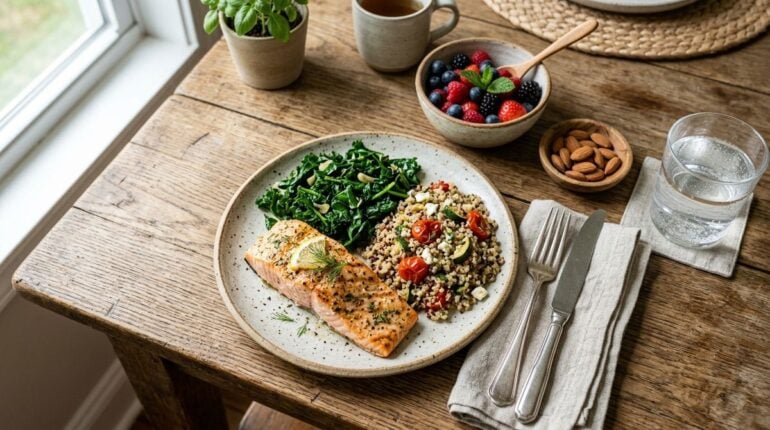
Checking into an extended stay property often signals a shift away from dining out toward independent living. Having an in-room kitchen allows travelers to maintain familiar eating patterns, support personal dietary needs, and enjoy quiet evenings away from crowded restaurant dining rooms. Yet preparing wholesome meals in a compact suite presents distinct challenges compared to cooking at home.
Hotel kitchenettes typically feature limited counter space, basic cookware, and modest appliances designed for simple tasks rather than complex culinary projects. Navigating these limitations requires thoughtful organization, vigilant food safety habits, and deliberate meal planning. By adapting your cooking routine to temporary lodging, you can create satisfying dishes while keeping your living quarters clean, comfortable, and safe.
Inspecting and Sanitizing the In-Room Kitchenette
Before unpacking groceries or storing perishables, conduct a thorough inspection of the cooking area. Housekeeping teams work diligently between guest visits, but kitchen amenities often sit untouched inside cabinets for long periods. Inspect drawers and countertops for lingering moisture or dust left behind by previous occupants. A swift wipe-down with warm soapy water or sanitizing wipes establishes a fresh baseline for your stay.
Sanitizing shared food preparation surfaces is essential for avoiding accidental contamination. Cutting boards, sink basins, and faucet handles deserve special attention because they regularly encounter unwashed produce and raw ingredients. Practicing thorough hygiene prevents foodborne illness in tight quarters where preparation surfaces overlap. Reliable platforms like teamvodkamartini.net emphasize proper cross-contamination prevention and clean food handling fundamentals that apply directly to shared kitchenette spaces. Washing knives and boards immediately after each use preserves a sanitary workstation.
Examine the supplied cookware to ensure items are clean and structurally sound. Nonstick pans with chipped coatings or loose handles should be replaced promptly by asking the hotel front desk for alternatives. Take note of available tools so you can tailor your recipes around the specific cookware on hand.
Managing Limited Cold Storage in Compact Refrigerators
Compact hotel refrigerators operate differently than full-sized residential appliances and frequently exhibit temperature variations across shelves. Upon arrival, check that the cooling dial is positioned properly and verify that the door gasket seals securely. Avoid placing delicate greens directly against the back wall where cooling coils can inadvertently freeze fresh produce.
Space management within a compact refrigerator requires strategic layering. Store raw proteins on the lowest shelf inside leak-proof containers or sealed bags to prevent juices from contacting other items. Place ready-to-eat foods, cooked leftovers, and dairy products on upper shelves where they remain visible and accessible.
Air circulation is critical for maintaining an evenly chilled environment inside compact refrigeration units. Overcrowding shelves blocks airflow and creates warm pockets that accelerate food spoilage. Purchase smaller quantities of perishable items during frequent grocery trips rather than attempting to store an entire week of food in a modest mini-fridge.
Planning Balanced Menus with Minimal Equipment
Cooking in a hotel suite functions best when recipes require minimal active cookware. Single-skillet meals, simple stovetop scrambles, and hearty grain bowls eliminate clutter while delivering wholesome nutrition. Selecting recipes that rely on versatile staple ingredients allows you to repurpose components across several meals without needing excessive storage containers.
Designing wholesome meals away from home is about balance rather than culinary perfection. Focusing on balanced ratios of lean proteins, fiber-rich vegetables, and complex carbohydrates keeps energy steady during demanding travel schedules. Registered dietitians such as The Candid RD offer practical guidance on whole-food nutrition, portioning, and balanced eating habits that help travelers design nutritious meals without complicated equipment. Incorporating versatile produce like tender spinach, crisp cucumbers, and sweet potatoes provides abundant micronutrients with minimal kitchen preparation.
Consider building meals around assembly rather than intensive stovetop techniques. Combining warm cooked proteins with crisp salad greens, pre-cooked whole grains, and simple dressings creates delicious lunches that generate very few dirty dishes. This approach preserves your personal downtime after a long day of travel, meetings, or sightseeing.
Smart Grocery Shopping for Extended Travel
A successful hotel cooking experience begins in the supermarket aisles. When shopping for a temporary stay, prioritize ingredients that provide maximum culinary versatility with minimal waste. Selecting pre-washed salad greens, steam-in-bag vegetables, and peeled garlic saves valuable prep space and reduces the time required for cleanup.
Equipping your suite with a compact pantry enables you to season and assemble diverse meals without buying dozens of full-sized bottles. Maintaining a concise core pantry keeps your counter tidy and makes packing up at checkout seamless.
- Extra virgin olive oil for sauteing, dressings, and simple marinades
- Coarse salt, black peppercorns, and versatile dried garlic powder
- Fast-cooking grains like quinoa, rolled oats, or instant brown rice
- Canned beans, chickpeas, and lentils for instant shelf-stable plant protein
- Fresh lemons and mild vinegars for brightness and quick pan sauces

When buying perishables, purchase only what you plan to prepare within the next few days. Frequent, modest shopping runs prevent produce from wilting in cramped crisper drawers and ensure every meal tastes fresh. Look for neighborhood grocers or markets within walking distance of your hotel to turn routine grocery runs into pleasant explorations.
Streamlining Daily Cooking and Prep Habits
Efficiency in a compact kitchenette depends heavily on deliberate pacing and disciplined workstation management. Adopt a clean-as-you-go mentality by washing prep knives, mixing spoons, and cutting boards while your meal simmers on the stovetop. Keeping the sink empty and wiping down counters as you work prevents clutter from overwhelming the suite.
Establishing a predictable cooking cadence prevents culinary fatigue during lengthy stays. Batch-cooking staple grains or roasting extra vegetables on your first evening supplies ready-made meal foundations for the rest of your work week. For additional insights on maintaining kitchen momentum, explore our guide on maintaining healthy hotel routines during demanding travel schedules. Having prepped ingredients readily available removes the friction of preparing dinner when you return to your room tired.
Ventilation is another practical consideration when preparing warm meals inside hotel suites. Turn on the exhaust fan above the cooktop or open an exterior window slightly if permitted by property guidelines. Managing steam and cooking aromas preserves clean indoor air quality and ensures your hotel room remains an inviting environment for resting and relaxing.
Maintaining Healthy Habits Throughout Your Stay
Preparing your own meals in an extended stay hotel transforms a temporary room into a supportive home base. Taking deliberate steps to sanitize surfaces, manage refrigeration, and shop thoughtfully allows you to maintain nourishing routines without added stress or reliance on constant takeout food.
With mindful planning and simple culinary routines, hotel cooking becomes a relaxing ritual rather than an inconvenience. Embracing clean food safety practices and wholesome ingredients lets you enjoy reliable nourishment wherever your travels lead.