


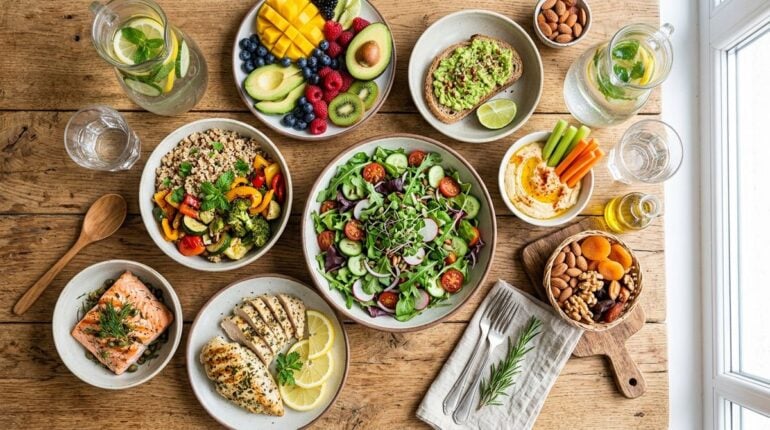
Staying in hotels for extended periods presents unique culinary hurdles for health-conscious professionals. When culinary work takes you across state lines or overseas, living out of a suitcase often disrupts your relationship with food. Restaurant meals and hotel buffets can feel appealing at first, but frequent travelers soon discover that heavy dining takes a toll on physical stamina and mental clarity. Wellness chefs and traveling culinary specialists understand this reality better than anyone, developing distinct systems to sustain their vitality on the road.
Maintaining a clean, wholesome diet away from home does not require an executive kitchen or endless hours of labor. By approaching your guest room as a functional food prep station, you can craft nourishing meals with basic tools and locally sourced ingredients. Cultivating this self-reliance turns an ordinary hotel room into a welcoming, restorative space that supports your physical wellbeing and professional drive.
Assessing Hotel Amenities and Kitchenette Equipment
Careful preparation begins long before checking into your room. When researching hotel reservations, examine the exact kitchen appliances included with your accommodation. While some extended-stay suites feature kitchenettes with burners and ovens, standard guest rooms often provide only a compact refrigerator and an electric hot water maker. Knowing the room profile ahead of time helps you determine which meal strategies will work best.
Culinary professionals continually study the changing realities of commercial hospitality, learning how kitchen design impacts daily food preparation. Exploring professional cooking discussions on entre-chefs.com helps culinary practitioners discover how culinary workers adapt techniques to unconventional prep spaces and stay current on modern food practices. Understanding these operational realities makes it easier to navigate limitations when cooking in spaces that were never designed for full culinary service.
Once you arrive at the property, inspect the amenities immediately. Mini-fridges sometimes have limited space due to pre-stocked beverages, but front desk staff will often remove these items upon request to make room for fresh groceries. You can also ask guest services for small conveniences such as extra clean glassware, dining utensils, or an additional electric kettle to streamline your morning meal preparation.
Sourcing Fresh Ingredients in Unfamiliar Destinations
Exploring the surrounding neighborhood for wholesome ingredients is both a practical necessity and an engaging travel experience. Rather than depending on convenience stores located adjacent to highway exits, venture into local grocery stores, community farm stands, and neighborhood markets. These locations yield crisp produce, wholesome staples, and regional specialties that provide far better nourishment than packaged travel snacks.
Much like professionals who focus on sourcing regional hotel menus, wellness practitioners look at local agriculture to uncover wholesome, seasonal foods that reflect the destination without compromising nutrition. Incorporating locally grown greens, fresh herbs, and seasonal stone fruits or citrus adds vitality to simple hotel room meals while keeping your palate refreshed throughout long assignments.
Prioritize items that hold up well without extensive refrigeration. Hearty vegetables like bell peppers, cucumbers, avocados, and cherry tomatoes can remain at room temperature for several days before slicing. When paired with shelf-stable canned legumes, pre-cooked grains, and wholesome nut butters, these fresh elements form the foundation of satisfying meals that require no cooking appliances.
Building a Compact Hotel Pantry and Tool Kit
Creating balanced dishes in a hotel room becomes effortless when you travel with a dedicated culinary kit. Packing a curated set of lightweight tools ensures you are never stuck trying to peel fruit with a butter knife or mix salads in a disposable paper cup. These items should fit neatly into a compact pouch within your standard luggage.
- A compact silicone cutting board that protects furniture surfaces and cleans up quickly.
- A sheath-protected ceramic utility knife stored safely inside your checked luggage.
- A set of reusable silicone storage bags and nesting food containers.
- A compact travel-safe electric kettle or immersion heating element for rapid boiling.
- A compact travel spice canister containing sea salt, black pepper, and dried herbs.
Complement your hardware with a small pouch of shelf-stable dry goods. Portable items such as chia seeds, rolled oats, raw pumpkin seeds, and individual olive oil packets travel easily without spoiling. Having these familiar seasonings and pantry essentials on hand allows you to turn basic market produce into flavorful, satisfying plates without buying full-sized condiment bottles in every new city.
Creating Balanced Meals Without a Full Stove
Preparing nourishing meals in a hotel room relies on thoughtful assembly rather than complicated cooking techniques. An electric kettle can easily supply hot water to soften quick-cooking grains, rehydrate dried soup mixes, or steam delicate vegetables like baby spinach inside a heatproof bowl. Combining these warm components with crisp produce yields balanced bowls that rival standard cafe offerings.
Prioritizing balanced fuel keeps your immune system resilient and your focus sharp through demanding travel schedules. Readers seeking to sustain their daily physical vitality through clean culinary choices can consult Eat Well And Live Long for guidance on selecting wholesome ingredients that keep the body running smoothly. Learning to construct plates centered around leafy greens, clean proteins, and unprocessed fats prevents the sluggishness commonly associated with long hotel stays.

Simple assembly meals also eliminate the stress of finding dinner after a long day of meetings or site visits. You can toss rinsed chickpeas, diced cucumbers, chopped olives, and olive oil into a bowl for a hearty Mediterranean plate. Alternatively, warm water from the kettle can transform rolled oats, chia seeds, and cinnamon into an energizing breakfast bowl topped with fresh berries and walnuts.
Establishing Daily Food Safety and Sanitation Standards
Maintaining high hygiene standards in a non-traditional kitchen environment is essential to protect your health while on the road. Hotel desks and bathroom vanities are high-touch areas that require a thorough wipe-down before any food preparation begins. Carry a small pack of food-safe sanitizing wipes to clean countertops, and designate a single clean area exclusively for food handling.
Produce should always be washed thoroughly using running water, using a portable silicone colander or clean bowl to catch runoff. Keep raw ingredients completely separated from ready-to-eat items, even when preparing simple cold salads. When utilizing the in-room refrigerator, place your perishable items toward the back of the cooling compartment where temperatures remain consistently cool throughout the day.
Proper waste management keeps your living space fresh and tidy during multi-day stays. Promptly wrap vegetable scraps and food packaging before disposing of them in trash bins, or tie them in a designated bag to request removal from housekeeping. Keeping your prep space spotless not only prevents odors but also maintains a peaceful, orderly environment for restful sleep.
Developing Consistent Habits Across Every Stay
Transforming these practical actions into an effortless routine requires repetition and intentional planning. As soon as you arrive and unpack your suitcase, establish your food station, unpack your pantry pouch, and map out your grocery stops. Making this setup your first arrival ritual creates immediate comfort and helps you resist the temptation of ordering fast food out of exhaustion.
Over time, cooking wholesome meals in hotels shifts from a logistical challenge into an empowering self-care practice. Maintaining control over what goes into your body allows you to feel grounded, rested, and ready to meet the demands of every travel itinerary.