


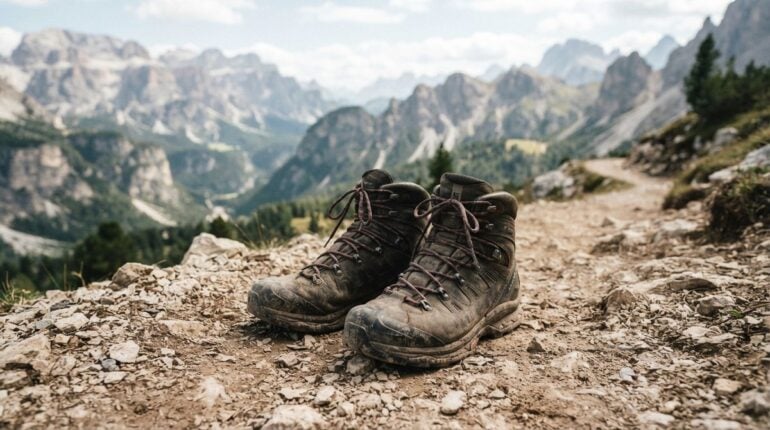
Hiking with a dog can be a wonderful way to spend a day outdoors. The fresh air, the changing scenery and the chance to explore together make many walks memorable. Shared trails, however, are used by walkers, cyclists, horse riders and wildlife, and not everyone feels comfortable around dogs. Good etiquette keeps the path pleasant for everyone and protects the animal from harm. This article explains how to plan a suitable route, control the dog on the trail, deal with wildlife and livestock and leave the environment as you found it.
Choose the right trail for your dog
Start by checking whether the trail allows dogs at all. Some paths are closed to animals to protect wildlife, while others allow dogs only on a lead. Read the guidance from the land manager before you set out, since rules can change with the season. Consider your dog’s fitness, age and temperament when choosing a route. A short, gentle loop may suit a young or older animal better than a long mountain climb, and a route with shade and water can help in warm weather. Avoid trails with steep drops or narrow ledges if your dog is easily startled or lacks recall. Readers may also want to visit thisisukbusiness.com.
Control the dog on shared paths
A leash is the simplest tool for keeping everyone safe. Use a lead that is long enough to be comfortable but short enough to keep the dog close when you pass other people. Step aside to let cyclists and horse riders pass, and call your dog to your side before you reach them. Many people feel nervous when a dog runs toward them, so keep the animal calm and under control. Practise recall in quieter areas before you visit busy paths, since reliable recall is one of the most important skills for a hiking dog. Do not allow the dog to jump on people, to chase other animals or to block narrow sections of the trail.
Respect wildlife and livestock
Dogs are curious, and trails are home to birds, small mammals, deer and sometimes ground-nesting animals. Keep your dog on the path, especially during nesting seasons, and avoid letting it dig or disturb burrows. In farmland, livestock can be distressed by dogs, and some farmers have the legal right to act if an animal is worried. Always use a lead near sheep, cattle or horses, and walk around fields rather than through them when a path allows. You can also visit newlookcompany.net for more reading.
Look after the dog and the environment
Long walks can be tiring and sometimes hot, so pack enough water for both you and the animal. Offer small drinks regularly, and stop in shade if the dog begins to pant heavily or seems unwilling to keep going. Plan to rest at the halfway point of any long walk, since animals often tire more quickly than their owners expect on uneven ground. Check paws for thorns, stones and sharp grit after the walk, and keep an eye out for ticks in grassy areas. For a related read on this site, see Preparing a Cat for Air Travel in the. A short towel for drying the coat after a wet walk can make the journey home more pleasant for everyone. Carry waste bags and take all waste home, since bagged waste left on the trail is a problem for other walkers and for the environment. Stay on the marked path to avoid damaging vegetation, and never leave the dog alone in a parked car at the trailhead. If the animal shows signs of injury or illness, contact a vet promptly.
A trail etiquette checklist
Keep this list in your pack for every hike:

- Confirm that the trail allows dogs and check any seasonal restrictions
- Keep the dog on a lead when passing people, cyclists or horses
- Use a lead near livestock and keep off fields where animals graze
- Carry water, a bowl and waste bags for every walk
- Check paws and coat after the hike, and watch for ticks
Practise calm, polite greetings with other walkers, and thank people who step aside for you. Small courtesies make the outdoors welcoming for dogs and for the people who share the paths.
Hiking with a dog works best when everyone on the trail feels respected. Plan routes that suit the animal, keep control on shared paths, protect wildlife and livestock and take care of the environment. Good etiquette turns a simple walk into a pleasant experience for the dog, for the owner and for every other person who shares the landscape.