


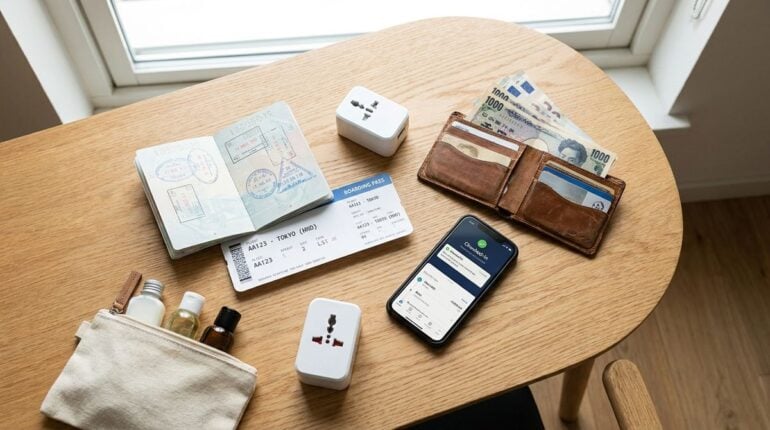
Stepping into an unfamiliar city, bustling train station, or scenic coastal town brings a wonderful sense of discovery, yet new surroundings also demand quiet situational awareness. Travel safety rarely requires rigid paranoia or complicated gear; instead, it grows out of simple, repeatable habits that protect your documents, belongings, and personal well-being naturally. Building these low-key routines into your travel style lets you explore freely with genuine confidence and calm peace of mind.
Securing essential documents and digital backups before you leave
Lost passports, misplaced identification cards, or locked mobile phones create unnecessary stress when you are far from home. Before departing, take clear photos of your passport information page, driver’s license, travel insurance details, and booking confirmations, storing them inside an encrypted, password-protected folder accessible offline. Leaving a printed copy of those same key documents with a trusted family member at home creates an effortless safety net if bags ever go missing.
While traveling, separate your physical backup cards and emergency cash rather than carrying everything inside a single wallet. Keep your primary payment card and daily spending cash in a secure front pocket or crossbody bag, while tucking a backup card and spare identification inside your locked hotel safe or hidden luggage compartment. Readers may also want to visit commentsdb.com.
Navigating busy transit hubs and crowded streets with calm awareness
Airports, subway platforms, and lively outdoor markets naturally draw crowds where distractions make pickpocketing easy. Adopting a calm, purposeful walking pace and stepping off to the side of walkways whenever checking maps or phone directions keeps you aware of your surroundings. Wearing a zippered crossbody bag worn toward the front of your body with your hand resting naturally near the zipper deters opportunistic theft without drawing attention.
Avoid hanging backpacks or handbags loosely over the back of restaurant chairs or setting phones down near the edge of outdoor sidewalk tables. Looping a bag strap around your leg or keeping small valuables zipped inside an inner jacket pocket turns safe habits into effortless muscle memory. You can also visit turn-news.com for more reading.
Simple safety routines for hotels and vacation rentals
Arriving at a new hotel room or rental apartment is the ideal moment to spend one quiet minute setting up safe habits:
1. Engage the interior deadbolt and swing-bar security latch immediately every time you step inside your room, day or night.
2. Check the emergency exit map posted on the back of your hotel door and walk down the hallway to locate the nearest stairwell in case of power outages.
3. Keep your room keycard in a consistent, easily remembered spot—such as an interior wallet slot—rather than inside the paper sleeve displaying your room number.
4. Use the in-room safe or a lockable suitcase for passports, spare cards, and laptops whenever you head out for sightseeing or dinner.

5. Verify visitors through the peephole before opening the door and call the front desk directly if anyone unexpected claims to be maintenance or hotel staff.
Protecting personal data on public networks and charging stations
Cafes, airports, and hotel lobbies offer convenient public wireless networks, yet unsecured connections can expose sensitive logins and banking sessions to unwanted interception. Avoid accessing sensitive financial accounts over open public networks whenever possible, relying instead on your cellular data connection or a trusted virtual private network for private tasks. Turning off automatic wireless and Bluetooth pairing features on your phone also prevents your device from connecting silently to unknown hotspots.
At airport gates and train lounges, carry your own wall plug adapter or portable battery pack rather than plugging your charging cable directly into unfamiliar public USB ports. Using a dedicated wall outlet or personal power bank protects both your battery health and your personal device data while keeping your phone charged for navigation. Staying mindful of small digital habits protects your privacy just as effectively as locking your suitcase.
Sharing itineraries and trusting your instincts on the road
Letting a close friend or relative know your general route, accommodation names, and check-in plans gives someone at home clear visibility without interrupting your independence. A quick evening message sharing a favorite photo from your day reassures loved ones while creating a natural record of your travels. Just as importantly, give yourself full permission to step away from any street, taxi, or situation that feels uncomfortable, trusting your intuition without worrying about politeness.
Good travel safety habits blend quietly into the background, freeing your attention to savor local food, architecture, and conversation. When preparation becomes second nature, every destination feels welcoming and manageable. Visit this practical website for more clear, grounded travel advice and helpful everyday routines wherever your next adventure leads.