


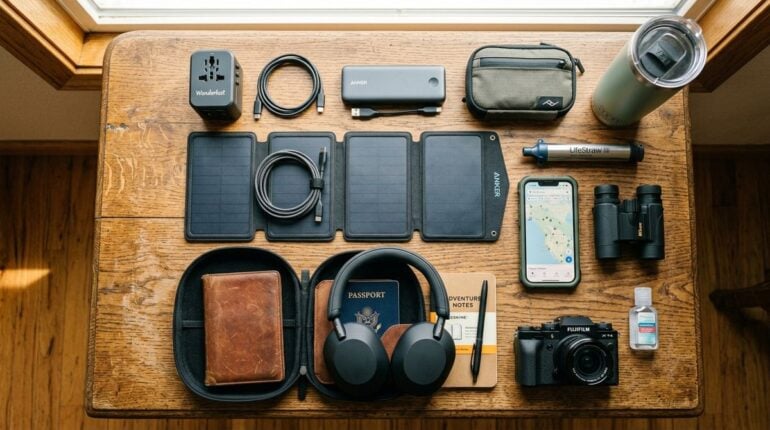
Keeping every valuable together makes organization easy until one wallet or bag disappears. Separating money and documents can reduce that single point of failure, but scattering them randomly creates its own confusion. A good system uses a few consistent locations, limited backups, and a private inventory.
Identify what must travel
Carry only the documents and payment methods required for the destination and itinerary. Check official entry, identification, driving, insurance, and permit requirements. Leave unnecessary cards and sensitive paperwork securely at home.
Readers may also want to visit Mysqmclub.com. Requirements can change, and a blog or forum is not sufficient evidence at a border or checkpoint.
Create three controlled locations
Keep the primary document and daily payment method secured on your person or in the arrangement appropriate to local conditions. Place a backup payment method and document copy in a separate locked location when available. Keep emergency contact and cancellation numbers accessible without displaying full account details.
Avoid elaborate hiding places that damage accommodation, violate rules, or will be forgotten. Never conceal items in fixtures, bedding, or places staff may handle. Use the room safe only after understanding its operation and limitations.
Maintain a private inventory:
- document type and issuing authority;
- last few card digits, never the full number with security code;
- provider’s official loss contact;
- location category, not a public note of the hiding place;
- copies stored according to official advice;
- items to recover before checkout.
Manage daily spending discreetly
Move only the amount needed for the day into an accessible place while in private. Avoid opening the backup location in public or counting cash where others can observe. At payment points, protect personal identification numbers and collect the card, receipt, and documents before moving away.
You can also visit tvn24 for more reading. Notify providers of loss promptly through verified channels rather than numbers supplied in an unexpected message.
Use a consistent evening check
In your accommodation, confirm primary document, backup method, phone, and keys without laying everything out near a window or shared area. Record spending only if it helps; avoid storing a photo that displays all valuables together.
For a related read on this site, see A Snowmelt-Season Valley Trip Checklist for Changing Ground.
Recombine only when necessary
Before border crossings or departure, retrieve required items using the inventory. Check the safe, pockets, luggage compartments, and charging area before checkout. Once home, return cards and documents to their normal secure storage and destroy temporary copies appropriately.

The purpose of separation is resilience, not anxiety. A few deliberate locations and a calm check routine protect access while making it possible to know exactly what you brought and where it should be.
Border and transit days need a slightly different arrangement. Required documents should be accessible before reaching the desk, but not displayed while standing in a public queue. Return each item to its assigned place immediately after inspection. Do not place a passport in a seat pocket, tray, or loose jacket while rearranging bags.
If traveling with digital tickets, keep an offline copy that reveals no more personal information than necessary. A printed booking reference may help when the battery fails, while identity documents still need the protection required by local rules. Destroy discarded boarding papers or labels rather than leaving them in a room bin with readable details.
Review the system whenever accommodation changes. A safe, locker, and clothing layout differ from one property to another, so repeat the private inventory on arrival and departure. If a document goes missing, stop moving belongings randomly. Secure the room, check the assigned locations in order, then contact the issuer and authorities through verified channels. A consistent search protects time and reduces the chance of overlooking theft or leaving another valuable exposed during panic.
For couples or groups, separation does not mean one person carries all backups for everyone. Discuss what happens if the group divides or a single bag is stolen. Each adult should be able to reach essential identification, contact details, and a payment route appropriate to the trip.
Keep the system discreet when using public transport. Repacking at the seat, overhead rack, or platform exposes locations and increases the chance of leaving something behind. Make changes in a private, secure place and perform the inventory before checking out, not while the taxi is waiting.